How property layout affects Finchley removals time estimates
If you have ever been given a moving quote that felt strangely wide-ranging, property layout is usually the reason. A compact flat with a lift, a terraced house with tight stairs, or a Finchley office tucked behind a narrow entrance can all change the clock more than people expect. In real removals work, layout affects how quickly teams can carry, load, protect, and reposition belongings. And yes, it affects the estimate too.
This guide breaks down how property layout affects Finchley removals time estimates, what movers look for, where delays creep in, and how you can make your move more predictable. Whether you are planning a home move, moving a few bulky items, or booking a larger relocation, a clear understanding of layout can save you stress. Sometimes a lot of it.
Let's face it: moving day rarely goes perfectly to script. But with the right preparation, the estimate becomes much more accurate, and the day itself feels far less chaotic.
Table of Contents
- Why property layout matters
- How layout changes removals timing
- Key benefits of understanding layout early
- Who this guide is for
- Step-by-step guidance for better estimates
- Expert tips for smoother move-day planning
- Common mistakes to avoid
- Tools, resources and recommendations
- Law, compliance and best practice
- Options and comparison table
- Real-world example
- Practical checklist
- Conclusion
- Frequently Asked Questions
Why property layout matters
Removal time is not just about how many boxes you have. It is about the route those boxes take. A property with a straight hallway, wide doors, and ground-floor access can be dramatically quicker than a home with split levels, awkward turns, and a parking spot halfway down the road. That difference shows up in the estimate because every extra carry, pause, and careful turn takes time.
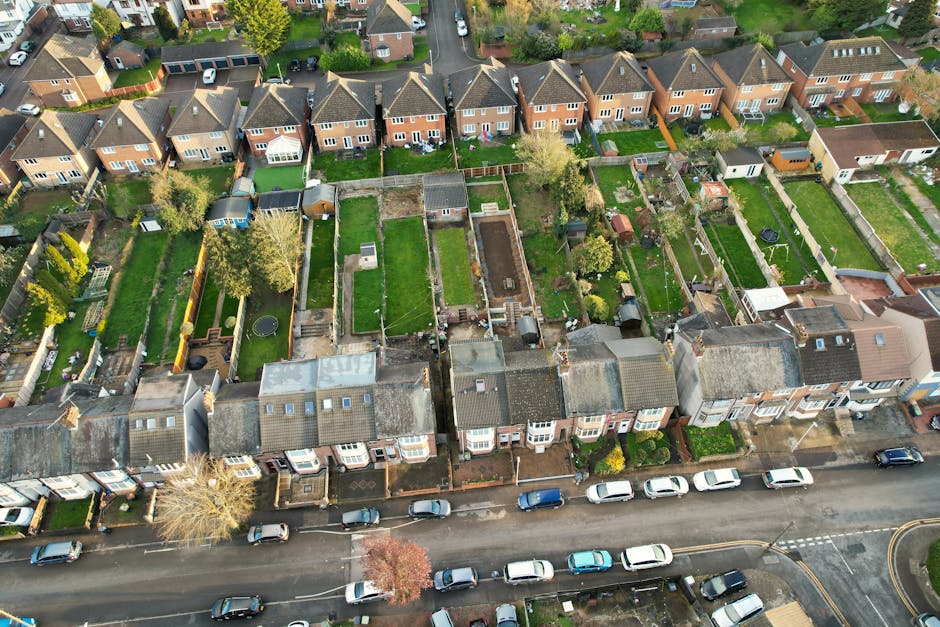
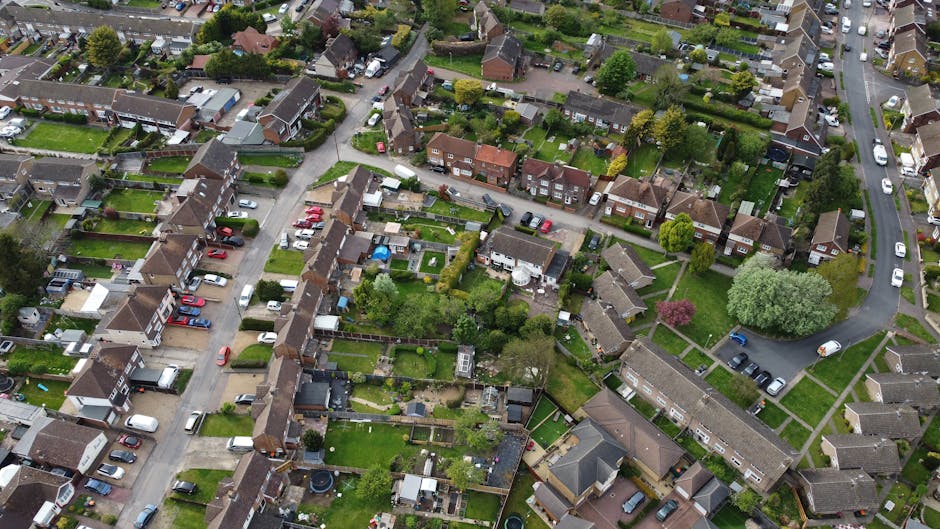
In Finchley, this matters particularly because the area has a mix of property types. You will find period houses, purpose-built flats, maisonettes, converted buildings, and business premises with their own quirks. One customer may have a neat walk-in route from van to front door. Another may need items carried through a shared entrance, up a stairwell, and around a bend that barely clears a wardrobe. Same postcode, very different timing.
The practical truth is simple: removals teams estimate based on access, distance, obstacles, and handling complexity. Layout influences all four. That is why a good quote should feel specific, not generic.
Key point: the property layout is often more important than the number of rooms when it comes to accurate removals timing.
How property layout affects Finchley removals time estimates
Most time estimates are built from a moving assessment, either over the phone, from photos, or during a site visit. Movers look at the property layout and mentally map the full chain of tasks: packing readiness, carrying distance, lifting difficulty, loading sequence, and the time needed to protect furniture properly.
Here is how layout changes the clock in practice:
1. Carry distance from property to vehicle
A flat with direct kerbside access is usually faster than a home where the van must park further away. Even a short extra distance can add repeated walking time. Multiply that by sofas, mattresses, wardrobes, and stack after stack of boxes, and the time difference becomes obvious rather quickly.
2. Staircases and floor levels
Stairs are one of the biggest time factors. A narrow staircase, a turning landing, or a top-floor flat without a lift all slow the process down. Movers need to move carefully to avoid damage to walls, banisters, and the item itself. Two people carrying a mattress up several flights are not exactly sprinting. Nobody is, to be fair.
3. Door widths and internal pinch points
If a sofa has to be angled through a doorway, rotated in a hallway, or partially dismantled, the estimate changes. Older Finchley homes often have character, which is lovely until a large dining table meets a tight hallway. Internal pinch points can create a hidden time cost that people do not always notice when they first walk through the home.
4. Room placement and item distribution
When belongings are spread across a property in lots of separate rooms, the team spends more time locating, collecting, and sorting. A tidy central stack is quicker than moving from attic to bedroom to garden shed to basement. The layout of storage areas matters too, especially if items are split between cupboards, loft space, and under-stairs storage.
5. Packing readiness and flow
Layout also affects how well packing can happen before the move. If boxes are concentrated in one room, the process tends to flow. If fragile items are scattered across several levels, the crew has to move more slowly and plan the order more carefully. That can extend the job even when the total volume is modest.
6. Access points beyond the front door
Rear entrances, side gates, shared access corridors, basement paths, and service lifts can speed things up or slow them down, depending on how usable they are. A back gate sounds convenient until it only opens halfway and the van cannot reverse nearby. These are the little things that turn estimates into reality.
If you are arranging a home move, it helps to review the layout alongside services such as home moves or, for a fuller team-led move, house removalists. The service matters, but the property layout shapes the workload inside that service.
Key Benefits and Practical Advantages
Understanding layout early is not just about shaving minutes off the quote. It helps you plan the day with fewer surprises and less faff. And honestly, fewer surprises is the dream on moving day.
- More accurate estimates: movers can price the labour and vehicle time more realistically.
- Better scheduling: you are less likely to overrun into evening hours or clash with building access rules.
- Safer handling: the team can prepare the right number of movers and the right equipment.
- Less disruption: neighbours, building managers, and family members experience fewer delays.
- Lower stress: you can pace yourself instead of discovering halfway through that the estimate was wildly optimistic.
There is also a money-saving angle. A more accurate layout-based estimate helps you choose the right transport and support from the start, whether that is a man and van setup for a smaller move, a larger moving truck, or a more flexible removal truck hire option.
To put it simply, better information leads to better planning. Not glamorous, but very effective.
Who This Is For and When It Makes Sense
This matters for almost anyone moving in Finchley, but it is especially useful if your property has one or more of these features:
- stairs, split levels, or loft rooms
- a flat in a converted house or maisonette
- tight hallways, narrow doors, or awkward turns
- shared entrances, lifts, or access codes
- limited parking or long carry distances
- large furniture that may need dismantling
- a mix of domestic items and office equipment
It also matters if you are moving a small number of items rather than a full house. People sometimes assume that fewer items automatically means a short job. Not always. A single heavy wardrobe up three flights of stairs can take longer than several neat boxes from a ground-floor room.
If you are relocating a workplace, layout becomes even more important. Desks, monitors, archive boxes, and meeting furniture all move differently. In that case, services such as commercial moves or office relocation services are usually more relevant because they are designed around business timing and access constraints.
Step-by-Step Guidance
If you want a more accurate Finchley removals estimate, work through the property layout in a deliberate way. This is one of those tasks that feels a bit tedious for about ten minutes and then saves you a headache later.
- Walk the full route. Start at the room where the bulkiest item sits and follow the exact path to the van. Note every turn, stair, doorway, and door handle that could catch.
- Measure access points. Check doorway widths, stair width, landing size, and lift dimensions if applicable. You do not need to become a surveyor; rough measurements are often enough.
- Count floor changes. Ground floor, first floor, basement, loft, mezzanine - they all matter. Split levels can be deceptively time-consuming.
- Identify parking and carry distance. Ask yourself where the vehicle can realistically stop. A perfect loading bay on paper is useless if it is constantly occupied.
- List awkward items. Sofas, mattresses, wardrobes, pianos, large mirrors, and glass tables often shape the estimate more than small boxes do.
- Note shared access issues. Key fobs, concierge arrangements, lift bookings, and neighbour access can all create waiting time if they are not planned.
- Flag packing status. Fully packed rooms move faster. Half-packed rooms slow everything down because the team has to work around loose items.
- Share photos or a video walk-through. A few clear images of hallways, stairs, entrances, and large furniture can make an estimate much sharper.
A small detail, but an important one: tell the mover about garden access, basement storage, or side gates even if they seem minor. Those are often the places where time gets lost or, occasionally, saved.
Expert Tips for Better Results
In our experience, the best estimates come from honest detail rather than optimistic assumptions. The aim is not to make the move sound difficult. The aim is to make it accurate.
Be precise about the property type
"Two-bedroom flat" is a start, but "two-bedroom first-floor flat in a converted terrace with one narrow staircase and no lift" is much better. That level of detail helps a mover understand the pace of the job before they arrive.
Do not forget outdoor obstacles
Slippery paths, steep steps, shared courtyards, low garden walls, and tight corners outside the property can slow loading down. A clear path is gold. A muddy side entrance in wet weather is another matter entirely.
Separate heavy and fragile items in your mind
Large fragile items require more handling care and often more people. If your layout means those items must cross multiple rooms or stair turns, mention that early.
Think in "movement chains"
One item is not just lifted once. It is found, wrapped, carried, turned, loaded, strapped, unloaded, and placed. Layout affects every stage of that chain. That is why even a tidy home can take longer if the route is awkward.
Use a realistic packing strategy
If you are booking packing and unpacking services, mention how many rooms are packed already and which areas still need work. A half-packed attic and a fully boxed kitchen do not move at the same pace.
And one more thing: if the movers ask a follow-up question, answer it in detail. They are not being fussy. They are trying to avoid surprises. That is usually a good sign.
Common Mistakes to Avoid
Most timing issues come from simple oversights. Nothing dramatic. Just the sort of small assumptions that pile up.
- Underestimating stairs: many people focus on room count and forget the extra time involved in multiple flights.
- Ignoring parking reality: if the van cannot park nearby, the carry time rises quickly.
- Forgetting shared access delays: lift bookings, building rules, and keys matter more than people think.
- Not mentioning awkward furniture: that oversized wardrobe is not going to magically fit because the quote sounded neat.
- Leaving clutter in corridors: a clear route speeds things up and reduces the risk of bumps and scrapes.
- Assuming every room takes the same time: an empty bedroom and a storage-heavy box room are not equal.
- Giving vague descriptions: "normal access" is too subjective to be useful.
One of the sneakiest issues is overconfidence about the finish time. People think, "It's only around the corner, it can't take that long." Then the first sofa meets the staircase and the mood changes. Slightly.
Tools, Resources and Recommendations
You do not need specialist equipment to improve a removals estimate, but a few practical tools help a lot:
- measuring tape for door widths, stair landings, and furniture dimensions
- phone camera for route photos and access pictures
- simple room list to note where items are stored
- floor plan or sketch if the property is unusual
- labels or colour markers if packing is spread across floors
If your move is small and straightforward, a local man with van arrangement may be enough. If the route is more complex or the load is larger, a heavier vehicle or a more structured removal service is often a better fit. There is no prize for choosing the smallest option if it creates delays.
For furniture-only jobs, especially if the layout includes awkward access or a carry through shared spaces, a service like furniture pick up can be a sensible way to handle individual items without turning the day into a full-scale move.
Law, Compliance, Standards, or Best Practice
Property layout itself is not a legal issue, but it does intersect with a few practical UK expectations. For example, movers and property managers commonly need to respect building access rules, parking restrictions, and safe manual handling practice. That means the estimate has to reflect reality, not wishful thinking.
Best practice usually includes the following:
- making access details clear before the move
- ensuring routes are safe and reasonably clear
- using appropriate lifting and carrying methods for heavy items
- protecting floors, bannisters, and doorframes where needed
- confirming any building-specific moving rules in advance
If you are moving from a block of flats or a managed building in Finchley, check whether there are booking windows for lifts or loading bays. In many cases, the building will have its own process, and that process can affect timings more than the physical move itself.
It is also sensible to review any service terms before booking. If you want to understand how a provider sets expectations around service scope and responsibilities, the relevant pages for terms and conditions and privacy policy are worth a look.
Options, Methods, or Comparison Table
Different property layouts call for different approaches. Here is a practical comparison to help you match the move method to the reality of the space.
| Layout type | Typical time impact | What usually slows it down | Best-fit approach |
|---|---|---|---|
| Ground-floor flat with direct access | Usually quicker | Parking distance, bulky furniture | Small team, efficient loading plan |
| First-floor flat with stairs | Moderate increase in time | Repeated stair carries, tight turns | Extra care, clear route, careful packing |
| Top-floor flat without lift | Often noticeably slower | Long vertical carry, fatigue, stair protection | More labour, realistic time allowance |
| Terraced house with narrow hallway | Variable | Internal bottlenecks, difficult furniture turns | Advance measurement, possible dismantling |
| Office with shared entrance or loading limits | Can be slower than expected | Waiting for access, lift bookings, security | Planned commercial move window |
This table is not about making one layout look "good" and another "bad". It is about expectation. A move that looks simple on paper may need more labour because of access. A more spacious property may be quicker, even if it contains plenty of items. Context wins every time.
Case Study or Real-World Example
Imagine two Finchley moves booked for the same morning. One is a tidy two-bedroom flat with a lift, parking close by, and boxes stacked near the front door. The other is a maisonette with a narrow staircase, a long internal hallway, and a sofa that needs to be turned at an awkward angle halfway down the stairs.
On the surface, both properties might seem similar in size. But the actual moving pace would almost certainly differ. The flat with lift access might run smoothly, with little wasted movement. The maisonette might need extra pauses, more careful handling, and perhaps a quick dismantle of a bulky item. The end result is not a problem; it is just a different estimate.
That is why layout-based questions matter so much during booking. A mover who asks about door widths, lifts, and parking is not trying to complicate your day. They are trying to stop the job from running long and eating into everyone's energy. Which, by 3pm on a moving day, is no small thing.
If your move includes a vehicle at the larger end of the scale, a dedicated moving truck can support better loading efficiency, especially when the layout is straightforward but the volume is larger than expected.
Practical Checklist
Use this checklist before you request a removals estimate or confirm a moving date:
- Check how many floors the property has.
- Measure the narrowest doorway and the tightest stair turn.
- Confirm whether there is a lift and whether it is bookable.
- Note where the van can legally and safely stop.
- List any long carry routes from property to kerb.
- Identify bulky items that may need dismantling.
- Tell the mover about shared entrances, codes, or keys.
- Photograph stairs, hallways, and entrances.
- Make sure boxes are labelled by room if possible.
- Clear corridors, landings, and access paths.
Quick self-check: if you had to carry your biggest item through the property right now, would it be easy, awkward, or seriously tricky? That answer usually tells you how honest your estimate needs to be.
Conclusion
Property layout has a direct effect on Finchley removals time estimates because it shapes every step of the moving process: access, carrying distance, handling difficulty, and loading speed. A large home can be quick if the layout is simple. A smaller property can take longer if the stairs are tight and the access is awkward. That is the bit people often miss.
The good news is that you can improve estimate accuracy with a few straightforward habits: measure access, share photos, describe the route honestly, and mention anything that might slow the team down. Do that, and the move feels more controlled from the start. Less guesswork. Fewer surprises. Better pacing.
If you are planning a move in Finchley and want to compare service options, explore the most suitable support first and choose the setup that matches your property, not just your item count.
Get a free quote today and see how much you can save.
And if all this has made your place feel a bit more complicated than you first thought, that is completely normal. Most homes are. The trick is simply understanding them well enough to move them calmly.
Frequently Asked Questions
Does property layout matter more than the number of rooms?
Often, yes. Room count gives a rough idea of volume, but layout tells you how long it will take to move that volume. Stairs, turns, lifts, and carry distance usually have a bigger effect than the room count alone.
Why do stairs increase removals time so much?
Stairs slow everything down because items must be carried carefully, often by two people, and every step adds effort. Tight or winding stairs are even slower because the team has to protect both the item and the property.
Can a small flat still take a long time to move?
Absolutely. A small flat with awkward access, limited parking, or a top-floor walk-up can take longer than a larger ground-floor property. It is all about the route, not just the size.
How should I tell a mover about my layout?
Be specific. Mention floor level, lift access, stair width, parking distance, shared entrances, and any awkward furniture. A few photos or a short video walk-through can make the estimate much more accurate.
Do removal companies in Finchley usually account for parking issues?
Good ones do. Parking availability and carry distance are major timing factors, especially in busier streets or near managed buildings. If parking is uncertain, say so early.
What if my furniture needs dismantling?
That can increase the time estimate, sometimes quite a bit. Large wardrobes, bed frames, and bulky tables often move better when partially dismantled. Let the mover know before moving day, not after the item gets stuck in a hallway.
Is a man and van suitable for properties with difficult access?
It can be, but it depends on the job size and the layout. A man and van or man with van service may work well for smaller moves, but tricky access or heavy items may need more labour or a larger vehicle.
Does packing quality affect how layout changes the estimate?
Yes. Neatly packed boxes are easier to stack and carry, while loose items scattered across rooms slow the job down. If a property has multiple floors, tidy packing becomes even more important.
What is the biggest layout mistake people make when requesting a quote?
The biggest one is underplaying access problems. People often mention the number of rooms and forget the stairs, parking, shared hallways, or long carry route. Those are exactly the details that shape the timing.
Can office layout affect a commercial removals estimate too?
Definitely. Desks, archive storage, lifts, security access, and shared loading areas all influence timing. For business moves, services such as commercial moves or office relocation services are often better suited because they account for those pressures.
How can I make my removals estimate more accurate?
Walk the route from room to van, measure the tight spots, send clear photos, and explain anything unusual about access. The more honest the detail, the less likely the estimate is to drift on the day.
Where can I get more help if I am not sure what service I need?
If your move includes bulky furniture, office equipment, packing support, or vehicle hire needs, it is worth looking at the available service pages and then deciding what matches your situation best. If you are still unsure, the safest next step is to reach out through contact us and ask for guidance before the move gets too close.